Reviewed · GRANADA GEOPARK 4X4 TOURS
Granada Geopark: Stargazing Tour with Telescope
The best part of this tour begins when the astronomer points a laser into the dark and gives the sky a map. From a mountain viewpoint at nearly 1,800 meters, you’ll learn how to find constellations and then look through a telescope at whatever the clear night allows.
I like two things in particular: the guide explains how to read the sky, not just what you’re looking at, and the telescope adds a close-up view of objects you could otherwise only spot as pinpricks. One thing to plan for: mountain nights can feel cold even in summer, so bring warm layers.
Key points
- Meet at Mirador del Marquesado: The tour starts and ends at the same viewpoint in Sierra Nevada National Park.
- Learn the sky before using the telescope: An astronomical laser helps the guide point out stars, constellations, and apparent sky movements.
- Look for more than planets: Depending on the night, the telescope may show stars, moons, planets, nebulae, galaxies, or star clusters.
- Expect a two-hour outdoor session: The viewing spot is open and away from urban lights, at nearly 1,800 meters above sea level.
- Bring clothes for a cold night: Temperatures can drop sharply in the mountains, even during summer.
- Pay $28 per person: That covers the guided tour, telescope observation, a group photo, and a chance to photograph the Moon through the telescope with your phone when possible.
Reading the sky at Mirador del Marquesado
The tour meets at Mirador del Marquesado, an open viewpoint in Sierra Nevada National Park. You return to the same place at the end, so this is a focused astronomy session rather than a drive between several stops. The location is a key part of the experience: at nearly 1,800 meters and away from city lights, the sky has a better chance of showing its stars clearly.
There’s no promise that every celestial object will appear on every visit. The guide observes what is visible that night, and clear skies make a real difference. That’s worth keeping in mind if you’re planning this as a highlight of a short trip. The setting is designed for stargazing, but clouds and conditions can shape what the telescope reveals.
The site is described as open and accessible, and the activity is marked wheelchair accessible. If you have a particular access need, it’s sensible to confirm the practical details before booking, since the available information doesn’t spell out the surface or route at the viewpoint.
More Geopark 4x4 trips from Granada:
- Granada: End of the World Viewpoints 4×4 Tour in the Geopark
★ 4.8 · 19 reviews - Gorafe: Los Coloraos Desert 4×4 Tour
★ 5.0 · 16 reviews - From Granada: Guadix and Granada Geopark Guided Tour
★ 4.6 · 6 reviews
First, learn where to look
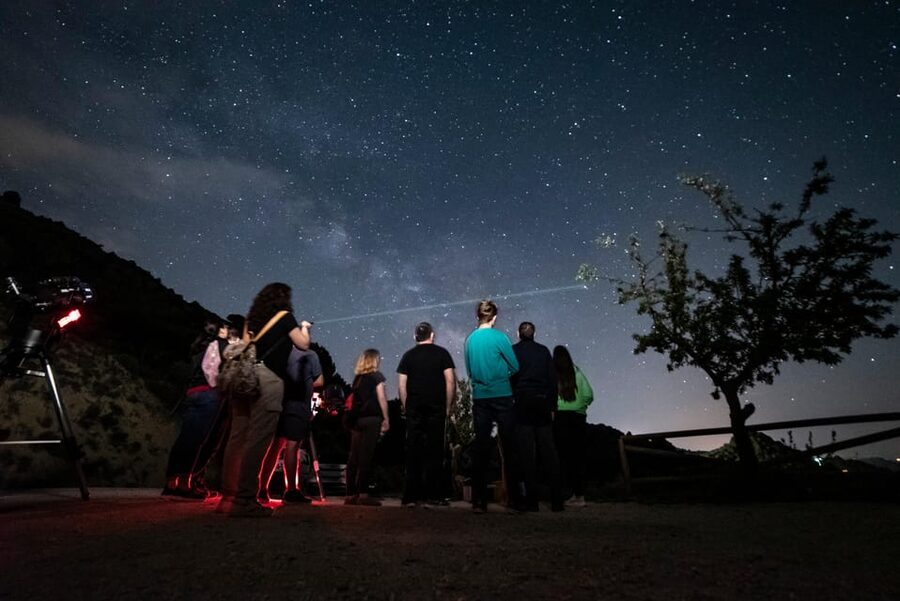
The session begins with an introduction to the celestial sphere, using an astronomical laser to show you where the guide is looking. This matters more than it may sound. Without a pointer or some basic orientation, a constellation can be hard to pick out from a crowded sky. The laser gives the group a shared reference, so you can follow the explanation rather than guess at a patch of stars.
You’ll learn to recognize prominent stars and their constellations, along with the apparent movement of the sky and how stars can help with orientation. The guide also connects constellations to their myths. That mix of practical sky-reading and storytelling keeps the first part grounded: you’re not only hearing names, you’re learning how to find patterns and understand how the sky seems to move.
This section is a good fit even if astronomy is new to you. You don’t need to arrive knowing the difference between a nebula and a star cluster. The guide introduces the night sky in a way that gives you something to look for before the telescope comes into play.
Then take turns at the telescope
In the second part, the guide turns to the telescope and the celestial objects visible that night. The stated range includes stars, planets, moons, galaxies, nebulae, and star clusters. What you see depends on the night, so treat this as a guided look at the available sky rather than a fixed checklist of targets.
A telescope changes the scale of the experience. Objects that appear as small points to the naked eye can show more detail through the instrument, while the guide helps explain what you’re observing. The goal is not simply to peer through an eyepiece, but to connect the view with the explanation you’ve just heard.
The telescope is described as professional and high quality, but the exact objects and viewing time for each are not specified. If you’re hoping to see one particular planet or galaxy, keep your expectations flexible. The sky and the time of year matter, and the guide chooses prominent objects that can be observed on the night.
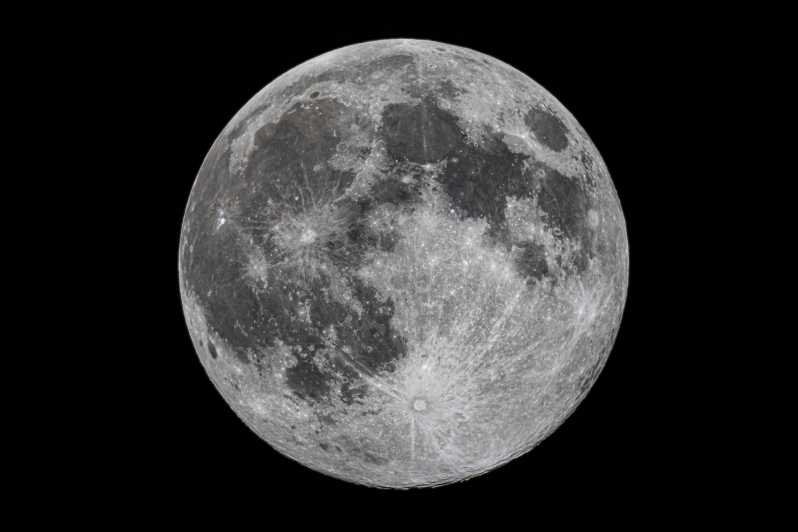
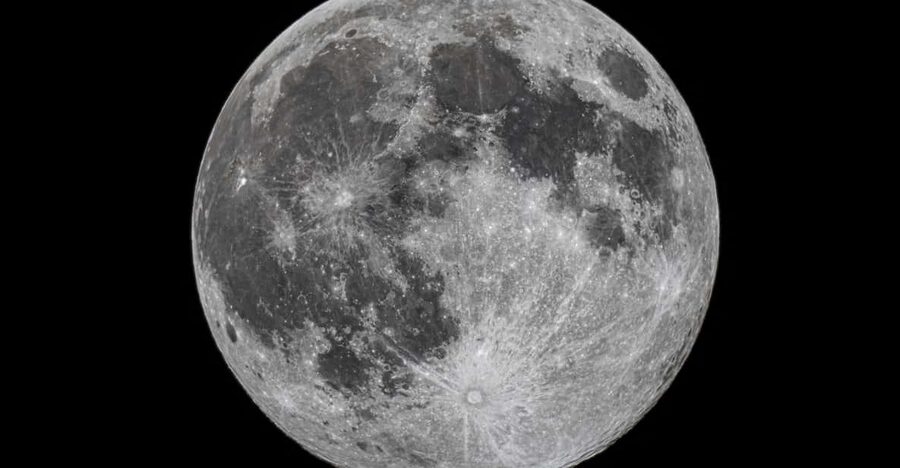
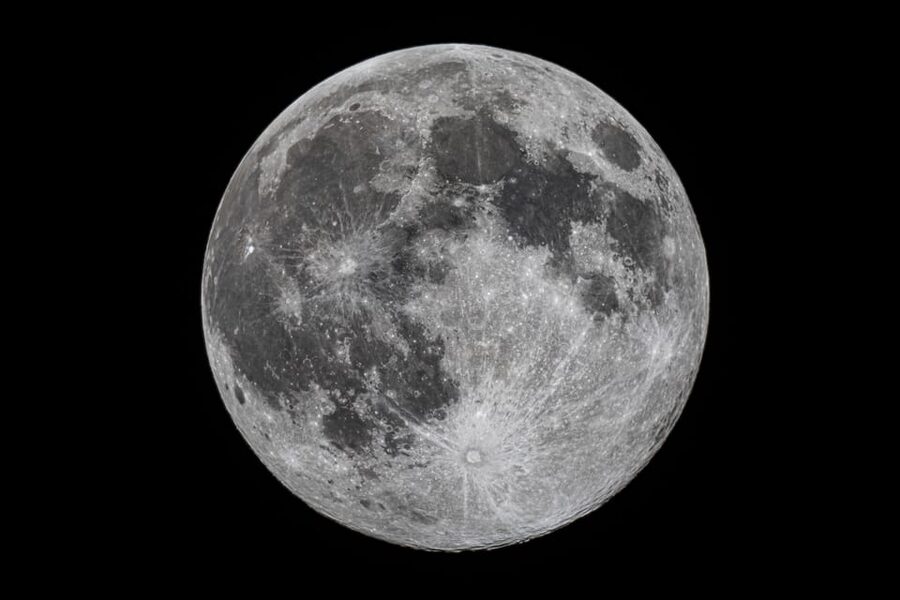
There’s also a chance to take a picture of the Moon through the telescope with your own phone, when possible. It’s a small extra, and it depends on the Moon being available to observe. Don’t count on getting a perfect astronomy photograph; think of it as a chance to try a simple keepsake image. A group photo is included as well.
What two hours feels like
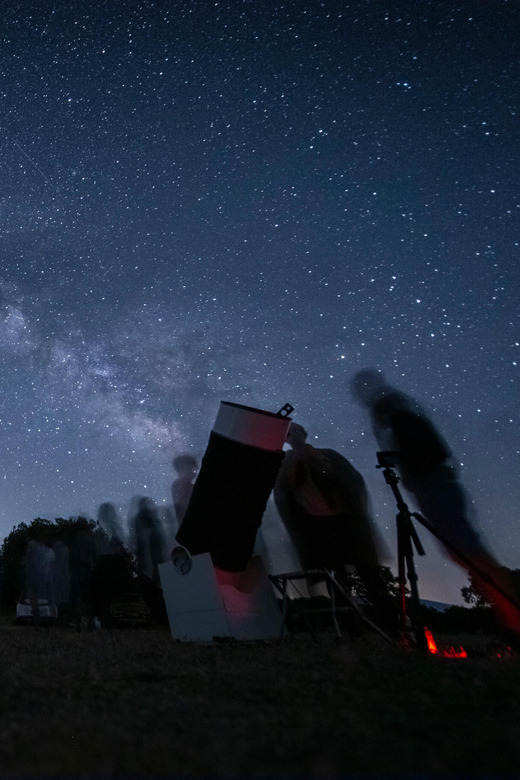
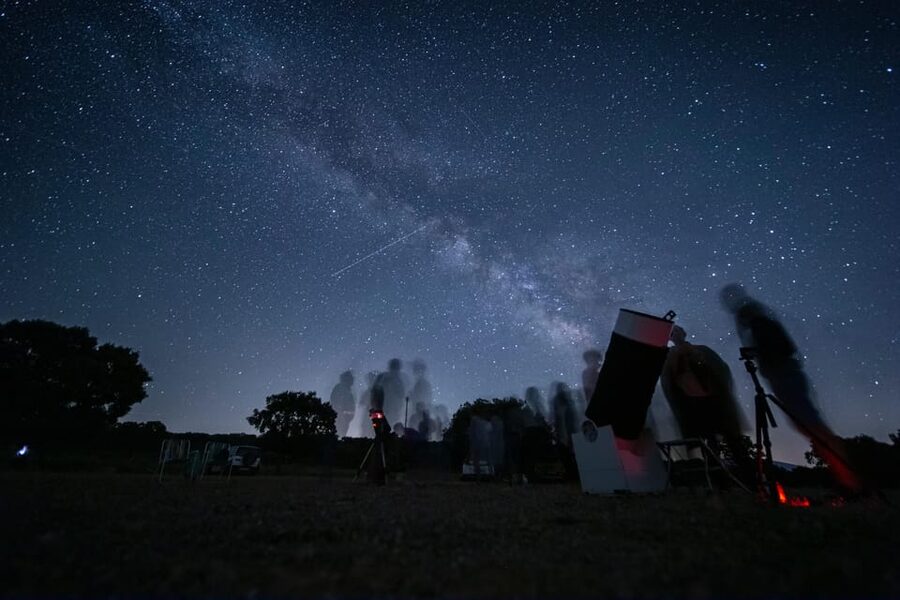
The tour lasts two hours, with the entire session at the viewpoint. That gives the guide time to cover the basics, point out constellations, explain how the sky appears to move, and spend time on telescope observations. It’s long enough for more than a quick look, but still a manageable evening activity.
The pace is likely to feel most rewarding if you’re willing to listen and take your time at the eyepiece. Stargazing is not a fast parade of sights. The guide’s explanations help fill the gaps between observations, and the changing visibility of objects is part of the activity. If you’re travelling with someone who expects constant action, this quieter format may suit them less.
The activity is offered in English and Spanish. One guide, Leo, is named by a participant who describes his explanations as clear and says looking through the telescope was a highlight. That gives you a useful sense of the tour’s teaching style, though you shouldn’t assume Leo will lead every departure.
Same city, a different kind of day:
- Granada: Alhambra & Nasrid Palaces Tour with Tickets
★ 4.7 · 19,801 reviews - Granada: Alhambra and Nasrid Palaces Entry Ticket
★ 4.6 · 15,130 reviews - Granada: Alhambra & Generalife Fast-Track Guided Tour
★ 4.7 · 8,313 reviews - Granada: Alhambra & Gardens Tour w/Nasrid Palaces Option
★ 4.5 · 6,437 reviews
Cold is the practical detail to get right
The most useful packing advice is also the simplest: bring warm clothing. The viewpoint is high in the mountains, and the temperature can fall significantly after dark, even in summer. You’ll be outside for the full session, so a warm layer is not an optional extra just because the afternoon felt mild.
A hat or scarf may be useful if you tend to feel cold, but the stated advice is to bring warm clothing; there is no specific equipment list beyond that. Dress for standing outdoors at night rather than for the temperature you felt in town earlier in the day.
The tour’s open location helps with visibility, but it also means there’s no indoor portion mentioned as a fallback. If the weather looks unsettled, check the conditions and any activity updates before setting out. The information provided does not specify a weather policy or what happens if clouds prevent telescope viewing.
Is $28 a fair price?
At $28 per person, the price covers a two-hour guided astronomy session, use of a professional telescope, a laser-led introduction to the sky, a group photo, and the chance to photograph the Moon through your phone when possible. For a small-group-style educational outing, that’s a reasonable package, especially if you value having someone explain what you’re seeing rather than simply borrowing a telescope.
The value rests on the guide and the conditions. A clear night and thoughtful explanations can turn a dark-sky stop into a memorable lesson in how to read the heavens. If clouds obscure the sky, the telescope portion may be less satisfying, so it’s best to book with a flexible attitude rather than treating the tour as a guaranteed view of a specific object.
The booking terms help keep plans flexible: you can reserve now and pay later, and cancellation up to 24 hours in advance is eligible for a full refund. Check availability for departure times, since none are fixed in the details here.
Who will enjoy this night-sky tour
This outing suits curious beginners, families with an interest in science, and anyone who wants a quiet evening activity beyond a restaurant or a town stroll. You don’t need astronomy experience. The guide starts with the basics and uses the laser to make the sky easier to follow.
It’s also a good choice if you enjoy learning through direct observation. Instead of hearing a lecture indoors, you’ll stand beneath the night sky, locate stars with the guide, and then view selected objects through a telescope. The high-altitude setting and distance from urban lights are central to the experience.
It may be less suitable if you dislike being outdoors in the cold, want a guaranteed view of a particular planet, or prefer a fast-moving activity. The two-hour format gives the sky time to take center stage. Dress well, stay open to what is visible, and you’ll get more from it.
Should you book?
Book this tour if you want a clear, guided introduction to stargazing in a dark mountain setting. Its strongest draw is the combination of practical sky-reading, myth and constellation stories, and telescope views, all within two hours and for $28 per person.
Skip it if you need a warm indoor activity or would be disappointed by a night when clouds limit the view. For the best chance of enjoying it, check the forecast, bring warm clothes, and arrive ready to look at whatever the sky offers.
FAQ
Where does the tour start and end?
It starts and ends at Mirador del Marquesado, a viewpoint in Sierra Nevada National Park.
How long is the stargazing tour?
The guided session lasts two hours. Check availability for starting times.
What can I see through the telescope?
The guide observes prominent objects visible that night. These may include stars, planets, moons, galaxies, nebulae, and star clusters.
What should I bring?
Bring warm clothing. Mountain temperatures can drop significantly at night, even in summer.
Which languages are available?
The live tour guide is available in English and Spanish.
Is the activity wheelchair accessible?
Yes, the activity is described as wheelchair accessible.
Just added around Granada
- Granada: Authentic and intimate Flamenco Show with Snacks★ 4.2 · 9 reviews
- Flamenco Show in the Caves of Sacromonte★ 4.5 · 26 reviews
- Wine Tasting in Granada★ 5.0 · 25 reviews
- From Granada: Day Trip to Trevélez with Ham Factory★ 4.6 · 12 reviews
- Guided tour Granada Unexplained★ 5.0 · 5 reviews
- Albaicín and Sacromonte Sunset tour + Flamenco show★ 5.0 · 11 reviews
- Water paths. Private adventure and history tour★ 5.0 · 6 reviews
- Albaicin guided tour with dogs★ 5.0 · 6 reviews
Granada Geopark 4x4 Tours, compared.
End of the World Viewpoints 4×4 Tour in the Geopark
Read our review →